At Nativa-PR, we understand the growing importance and business impact of social media across global markets,  especially for brands looking to expand their visibility in Spanish-speaking markets such as Spain and Latin America. That’s why identifying the social media trends that will shape the main platforms throughout 2026 is essential for achieving greater reach, relevance, and long-term growth.

To stay competitive in 2026, brands need more than awareness of emerging social media trends: they need to understand how to apply them strategically. When implemented correctly, these trends enable companies to connect with new audiences, strengthen brand authority, and increase their visibility in high-growth Spanish-speaking markets.

In this article, we not only explore the social media trends expected to gain the most traction in 2026, but also explain how to apply them within a broader digital strategy. Our goal is to help brands translate trends into measurable results, aligning social media efforts with PR, SEO, and business objectives.

Throughout 2026, social platforms will continue to consolidate their role as strategic business channels. The expansion of social commerce, the widespread adoption of generative AI tools, and the increasing focus on privacy, data protection, and content ownership will require brands to rethink their internal structures. This includes redefining teams, KPIs, and establishing more professional and transparent collaboration models with creators and influencers.

Platforms such as TikTok, Instagram, YouTube, LinkedIn, and WhatsApp will remain key players. However, the real challenge in 2026 will not be simply having a presence on these platforms, but knowing what type of content to create for each channel, how to localize it for Spanish-speaking audiences, and how to align it with clear business and growth goals.

ÍNDICE

Social Commerce: the definitive shift of social platforms into conversion-driven channels

Social commerce is no longer experimental. Integrated shopping features such as in-app stores, live shopping formats, and native checkouts have become core functionalities across major social platforms. Recent campaigns and performance data clearly show that platforms like TikTok are already generating real, scalable revenue, reaching significant GMV (Gross Merchandise Value) peaks during major sales moments.

In 2026, a growing share of conversions across multiple retail categories will originate directly from social platforms. This marks the beginning of a new phase in digital commerce, where traditional e-commerce environments may gradually lose relevance in favor of faster, more immersive, and socially driven purchasing experiences.

Social platforms will play a decisive role in online commerce, particularly as users increasingly value speed, convenience, and local relevance. Consumers want to feel represented by brands, creators, and sellers who understand their cultural context. Social shopping is inherently emotional: users connect with stories, communities, and content that reflect their identity and needs.

For brands targeting Spanish-speaking markets, implementing a localized social commerce strategy will be essential to build trust, drive conversions, and remain competitive.

Generative AI in 2026: from rapid adoption to control, consistency, and authenticity

While 2025 marked the year of accelerated AI adoption, 2026 will be defined by operational maturity. Digital data shows that more than one billion people now use AI-powered tools every month, and marketing teams have fully integrated these technologies into content creation, editing, analysis, and audience segmentation workflows.

However, the most important trend for 2026 is no longer adoption but the responsible governance. As AI-generated content increases, brands must implement clear systems to ensure:

  • brand consistency
  • originality and differentiation
  • usage rights and ownership
  • transparency and accountability

Industry analysts increasingly point to digital provenance as a critical factor: technologies that verify the origin, identity, and traceability of AI-generated content. In the social media ecosystem, where credibility and trust strongly influence consumer decisions, authenticity will become a defining competitive advantage.

For international brands operating in Spanish-speaking markets, controlled and transparent AI usage will be key to maintaining brand integrity and audience trust.


The dominance of short-form video: immersive, interactive, and high-impact formats

Short-form video will further consolidate its leadership in 2026. Industry data indicates that nearly three-quarters of marketers prioritize this format as a core pillar of their content strategy. The evolution of short-form video will include:

  • vertical mini-series
  • high-quality mobile-first content supported by AI
  • layered storytelling and meta-narratives
  • interactive and participatory video formats

In parallel, platforms will increasingly experiment with Augmented Reality (AR) and extended reality (XR) experiences, from virtual product try-ons to immersive digital events. These formats are redefining how audiences engage with content, making experiences more memorable and emotionally engaging.

As a result, brands will need expert-led social media management capable of delivering high-level, innovative content aligned with both platform trends and business objectives.


Social Search and Social SEO: how brands are discovered directly on social platforms

Social platforms have become discovery engines. Many users already search for products, services, and recommendations directly within social apps, and this behavior will intensify throughout 2026.

This shift makes social SEO a critical discipline. Brands must optimize:

  • captions and descriptions
  • hashtags and keywords
  • subtitles and on-screen text
  • visual formats adapted to each platform

Generation Z is leading this transformation. Research shows that a significant share of younger consumers now start their searches on social platforms rather than traditional search engines a change that fundamentally reshapes the marketing funnel.

For brands targeting Spanish-speaking audiences, visibility increasingly depends on how well content is structured, localized, and optimized for discovery within social ecosystems.

At Nativa-PR, we design customized social media content strategies aligned with social search behavior. If you’d like to explore this approach, we’re happy to schedule a video call: info@nativa-pr.com
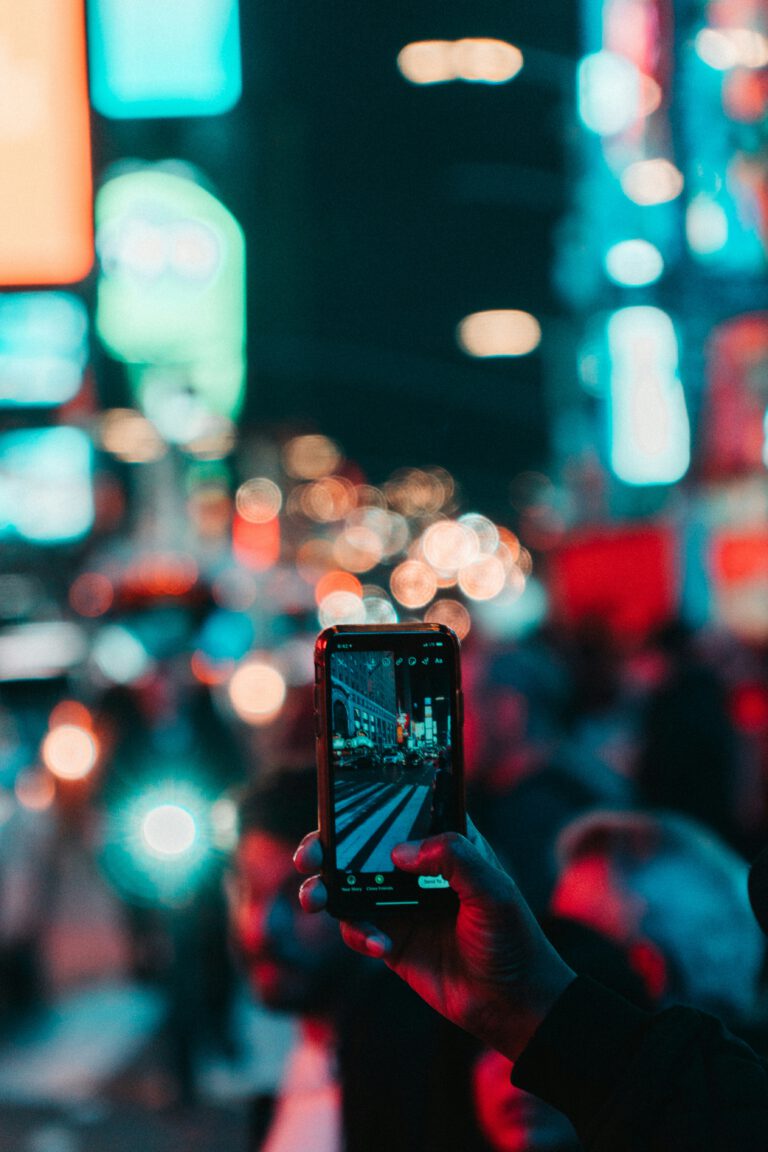
Influencers, micro-creators, and UGC: the shift toward authenticity and trust

Influencer marketing will remain effective in 2026, but with a clear evolution: partnerships will be more selective, more strategic, and more closely aligned with brand values.

Over the past two years, micro-creators and niche influencers have consistently demonstrated higher engagement and stronger audience trust than creators with massive followings. In 2026, UGC (User-Generated Content) will remain a foundational element of social strategies, particularly for brands seeking authenticity and long-term credibility.

Audiences are increasingly skeptical of mass-promotion models. Trust is built through consistency, relevance, and genuine alignment between brands and creators.

If you’re interested in developing strategic UGC collaborations, we can help you identify creators aligned with your brand’s visibility, reputation, and business goals. Get in touch with us.

At Nativa-PR, we create integrated strategies for:

  • optimized web content creation
  • paid media
  • social media management
  • digital media relations

All with the goal of generating organic visibility and sustainable media presence in Spanish-speaking markets.


Imagen de una persona haciendo una Selfie

Social Media Strategy & Management for Spanish-Speaking Markets

At Nativa-PR, we develop strategies for optimized web content creation, paid media campaigns, social media management, and digital media relations to generate organic media visibility across Spanish-speaking markets, including Spain and Latin America.

FAQ - Preguntas sobre gestión de redes sociales

In 2026, social media will continue to redefine how brands connect with audiences. Key trends include:

  • the expansion of social commerce
  • immersive short-form video
  • strategic use of generative AI
  • growing importance of social search and social SEO
  • responsible AI governance
  • authentic UGC and micro-creator collaborations

Understanding these trends allows brands to anticipate change rather than react to it. If you want to apply them strategically, Nativa-PR can help you build a tailored content strategy.

Social platforms are no longer just publishing spaces. They are where purchase decisions happen, trusted information is discovered, and communities form. Brands without a clear, updated strategy risk losing visibility and relevance.

Preparing now allows you to allocate resources efficiently, select the right platforms, and measure success beyond surface metrics.

Following trends does not mean copying formats blindly. It means choosing the right tools, authentic video, micro-creators, optimized content, and trust-driven messaging,  and aligning them with a strong brand strategy.

When executed correctly, trends become growth enablers rather than distractions.

At Nativa-PR, we analyze your current positioning, identify the platforms and formats with the highest potential, and build strategies that integrate PR, SEO, social distribution, and content intelligence.

Our goal is not for brands to chase trends, but to use them strategically to achieve measurable, sustainable growth in Spanish-speaking markets.

If you’re ready to plan your 2026 strategy, we’re here to support you every step of the way.