
The digital boom and new consumption habits in how people search, compare, and book travel have led tourism companies to strengthen their online presence more than ever to improve reputation and digital positioning.
At Nativa-PR, we tell you which Spanish media outlets you should consider to stay updated in the sector and to gain coverage that helps increase your brand’s visibility online.
The tourism industry is one of the sectors that has grown the most and recovered the fastest after the pandemic. Just to give you an idea, this sector generated approximately 1.9 trillion dollars worldwide in tourism-related exports in 2024, reaching a historic record. In Spain, 2024 was the best year in history: the country received 94 million tourists, 10% more than in 2023.
Airlines, hotel chains, ground transportation companies, distribution groups, travel agencies, and tech companies offering digital travel solutions are increasingly seeking to gain visibility and make their services known in key markets such as Spain and Mexico, two countries with outstanding cultural and tourism richness on an international level.
A good starting point is knowing the different channels and specialized tourism media where it is possible to gain visibility and strengthen brand presence.
Content
1. The tourism industry in Mexico
Mexico’s tourism industry is one of the most strategic sectors of the economy. In 2024, according to REPORTUR, Mexico recorded more than 45 million international visitors, showing the importance of tourism for both GDP and the country’s global visibility. For a company or agency seeking media coverage, understanding this context is key: appearing in Mexico’s specialized tourism media means accessing a relevant visibility platform for potential partners, investors, and clients.
In addition, these media outlets serve as gateways to communicate updates, partnerships, tourism products, or growth strategies.
Some of the most notable tourism companies in Mexico in 2025 include Grupo Xcaret for its parks and tourism services, airlines such as Aeroméxico, hotel chains like Grupo Posadas, and service companies that operate and organize tours such as Mexatours or Mega Travel Agency. The industry also includes a large number of travel agencies and services for travelers.
For a company looking to position itself through a communication and tourism PR strategy, appearing in specialized tourism media in Spain is not just about gaining visibility. It means entering a professional ecosystem where digital outlets, business magazines, and industry platforms shape trends, build reputation, and amplify brand presence.
An effective PR approach involves identifying the channels that attract the sector’s key stakeholders tour operators, destinations, hotels, luxury tourism, and sustainable tourism players. This segmentation ensures that your press release or article is not only published, but reaches the audience that truly matters.
2. The tourism industry in Spain
The tourism sector in Spain continues to consolidate itself as one of the most important economic pillars. According to official data from the National Institute of Statistics (INE), tourism demand reached 184,002 million euros in 2023, representing 12.3% of GDP. And as we mentioned earlier, Spain is currently experiencing one of its best moments in terms of tourism. According to Dataestur, tourism companies represented 20.5% of the total number of businesses in Spain in 2024, and many international companies see major opportunities to offer their services in one of the most visited countries in the world.
For a company looking to position itself through a communication and tourism PR strategy, appearing in specialized tourism media in Spain is not just about gaining visibility. It means entering a professional ecosystem where digital outlets, business magazines, and industry platforms shape trends, build reputation, and amplify brand presence.
An effective PR approach involves identifying the channels that attract the sector’s key stakeholders tour operators, destinations, hotels, luxury tourism, and sustainable tourism players. This segmentation ensures that your press release or article is not only published, but reaches the audience that truly matters.
3. Promotion and visibility for tourism companies in Spanish digital media
Promotion and visibility for tourism companies in Spanish digital media is essential for growth. Digital platforms allow brands to showcase experiences, generate trust, and attract travelers from around the world. To establish a solid digital presence, it is recommended to have a strategy that includes social media management, influencer collaborations, SEO and GEO positioning, and collaborations with specialized media.
A well-planned digital strategy can increase the visibility of a destination or company and strengthen its reputation among new audiences.
At Nativa-PR, we boost the visibility of tourism brands and businesses through strategic campaigns that combine creativity, trend analysis, and presence in relevant media.
4. Which Spanish-language digital media should you follow if you work in tourism?
Keeping up with the main tourism media outlets not only helps you understand sector trends, but also opens strategic opportunities to gain visibility, reputation, and media positioning. Following them is the first step to identifying the type of content, editorial approach, and narrative these outlets value when publishing stories, reports, or interviews.
At Nativa-PR, we work by considering each outlet’s editorial focus: we connect tourism brands and companies with the media where they can make a real impact. From tourism-focused business magazines and digital publications to travel journalists and podcasts.
These are some of the specialized tourism media outlets in Spanish we recommend:
HOSTELTUR (Spain and Latin America)
One of the most established information references in the global Spanish-speaking tourism sector. HOSTELTUR covers hospitality, transportation, travel agencies, sustainability, innovation, and digitalization. It also features forums and discussion spaces among industry leaders.
Its main strength lies in offering a comprehensive and strategic view of tourism, both in Spain and Latin America. It is ideal for executives, communicators, and marketing professionals seeking to understand global trends from a business perspective.
REPORTUR (Mexico and Latin America)
This Mexican media outlet is essential reading for anyone wanting to stay up to date on tourism in Latin America and the world. REPORTUR covers business topics, market movements, airlines, agencies, hotel chains, and destinations. Its coverage is designed for professionals who require first-hand information about the sector’s economic pulse.
It also offers a regional perspective that complements the European view from other outlets.
NEXOTUR (Spain)
Specialized in corporate tourism, intermediation, and business travel, NEXOTUR combines news with expert opinion. It publishes interviews with representatives of associations, hotel chains, and tour operators.
Its focus on business relationships within tourism makes it valuable for those working in institutional communication or public relations in the sector. This editorial group also offers several specialized digital magazines.
Travel2Latam (Regional)
A Latin America–focused portal covering international tourism fairs, tourism marketing strategies, technological innovation, and consumption trends. It also publishes interviews with executives and destination representatives, making it a useful platform for those looking to connect with regional markets and understand their evolution.
Smart Travel News (Spain)
Focused on innovation, technology, and digital marketing applied to tourism, this Spanish outlet is ideal for professionals seeking to integrate digital tools into their strategy. It also has a daily newsletter and its own podcast.
Smart Travel News stands out for its ability to anticipate trends and translate technical concepts into practical learnings for everyday use in the sector.
Gaceta del Turismo
Gaceta del Turismo is a Spanish digital medium specialized in the tourism sector. It publishes news on trends, transportation, hospitality, destinations, international fairs like FITUR, and business updates. It is widely read by tourism professionals, travel agencies, operators, and companies in the sector. Its focus is informative and professional, with relevant content for both national and international audiences.
Expreso
A media outlet dedicated to tourism information with a long history in Spain. Although it began as a print publication, it now operates mainly in digital format. Its content includes industry news, destination updates, transportation, cruises, airlines, and sector fairs. It is a common reference for travel agents and tourism professionals who want to stay updated on the industry.
Viajes y lugares
A digital magazine focused on experiential and leisure tourism. Its content targets both final travelers and industry professionals, offering reports on destinations, culture, gastronomy, routes, and recommendations. Its style is more editorial and visual, with an inspirational and informative approach ideal for promoting destinations or differentiated tourism proposals.
5. Travel sections in the press
For us, it is important to keep our contact lists updated, so we cannot forget the travel sections in the most important Spanish media outlets.
In Spain, Viajestic from La Sexta offers tourism content, curiosities, and practical recommendations. In El País, El Viajero is one of the most read and respected travel sections, with editorial reports and detailed destination guides. La Vanguardia features Viajar, focused on getaways, experiences, and industry updates. ABC includes Turismo, with relevant news and trends. In 20 Minutos, the Destinos section offers accessible proposals and current news, while El Mundo opts for a more editorial approach in its Viajes section. Finally, the magazine Viajar.es (Grupo Zeta) focuses on exclusive destinations and unique experiences, being one of the most established publications in the segment.
In Mexico, many major media outlets have tourism sections that combine news, inspiration, and practical recommendations. At El Universal, the Destinos section offers general-interest articles on routes, experiences, and both national and international proposals. Milenio publishes Escápate, a section focused on travel recommendations ranging from local getaways to major international adventures. Reforma features its Viajes section with a more exclusive and editorial approach, ideal for readers seeking differentiated experiences. Finally, Excélsior includes Turismo, which covers news and current topics in the sector, combining useful information with insights into tourism industry trends.
6. Which podcasts should you follow if you work in tourism?
These are some essential podcasts in the tourism sector:
Smart Travel News Podcast (Spain)
The audio version of the well-known media outlet. It publishes short episodes with news, interviews, and analysis on innovation, technology, and sustainability. It’s an excellent way to stay informed while traveling or working.
Turismo 2030 (Mexico)
This Mexican podcast reflects on the future of tourism, sustainability, and destination management. Through expert interviews, it analyzes environmental, social, and economic challenges faced by the industry, especially in Latin America.
Viajar es un placer (Argentina, regional focus)
Although produced in Argentina, this podcast offers a broad view of Latin American tourism. It combines current news, travel stories, and conversations with industry professionals, making it ideal for those seeking a more human and relatable perspective.
The Travel Podcast (United Kingdom, global focus)
In English, but highly relevant for those wanting to learn about international strategies. It features professionals from destinations, agencies, and airlines worldwide, offering insights into how other tourism brands communicate and adapt.
Which magazines should you follow if you work in tourism?
Here is our selection of specialized tourism magazines:
Revista Turismo (Mexico)
A tourism information and promotion outlet founded in 1978, dedicated to “promoting the most extraordinary places in Mexico and the world,” covering destinations, hospitality, tourism services, and trends.
Preferente – Revista de Turismo (Spain)
A leading monthly publication for tourism professionals (travel agencies, tour operators, hotels, airlines), offering specialized information, business reports, and sector analysis.
Revista Travel Mexico (Mexico)
A Mexican tourism magazine focused on destinations, experiences, luxury hotels, and lifestyle topics connected to tourism. Ideal for understanding the tourism consumer market in Mexico.
Conexión Turística (Mexico)
A leading digital magazine in the travel agency and business tourism sector, covering events, fairs, B2B trends, and news for industry professionals.
Estudios Turísticos (Spain)
An academic-professional magazine founded in 1963 that contributes to tourism debate from multiple dimensions (economy, culture, innovation, policy), allowing sector companies and brands to access more in-depth, specialized content channels.
7. How do I position my company in the tourism sector?
Positioning a company in the tourism sector requires an integrated strategy combining communication, public relations, and digital presence. Everything starts with a clear diagnosis: understanding your target audience, analyzing the competition, and defining the message that sets your brand apart in the market.
From there, the key is designing an effective public relations strategy that enables you to appear in relevant media, build relationships with specialized journalists, and establish a solid reputation. At the same time, a strong digital presence with optimized content, link-building campaigns, and SEO strategies helps improve visibility and organic positioning.
The tourism sector also requires constant communication with audiences: from social media management and the creation of attractive content to participation in international fairs and collaborations with key opinion leaders. These actions strengthen the brand’s image, expand its reach, and position it as a reliable and up-to-date reference.
In such a competitive environment, at Nativa-PR we know that the difference lies not only in what you offer, but in how you communicate it. A consistent strategy with authentic, well-planned messages can transform a tourism company’s presence and turn it into a recognized and credible brand in the sector.
8. How do I position my company in the tourism sector? 4 key steps
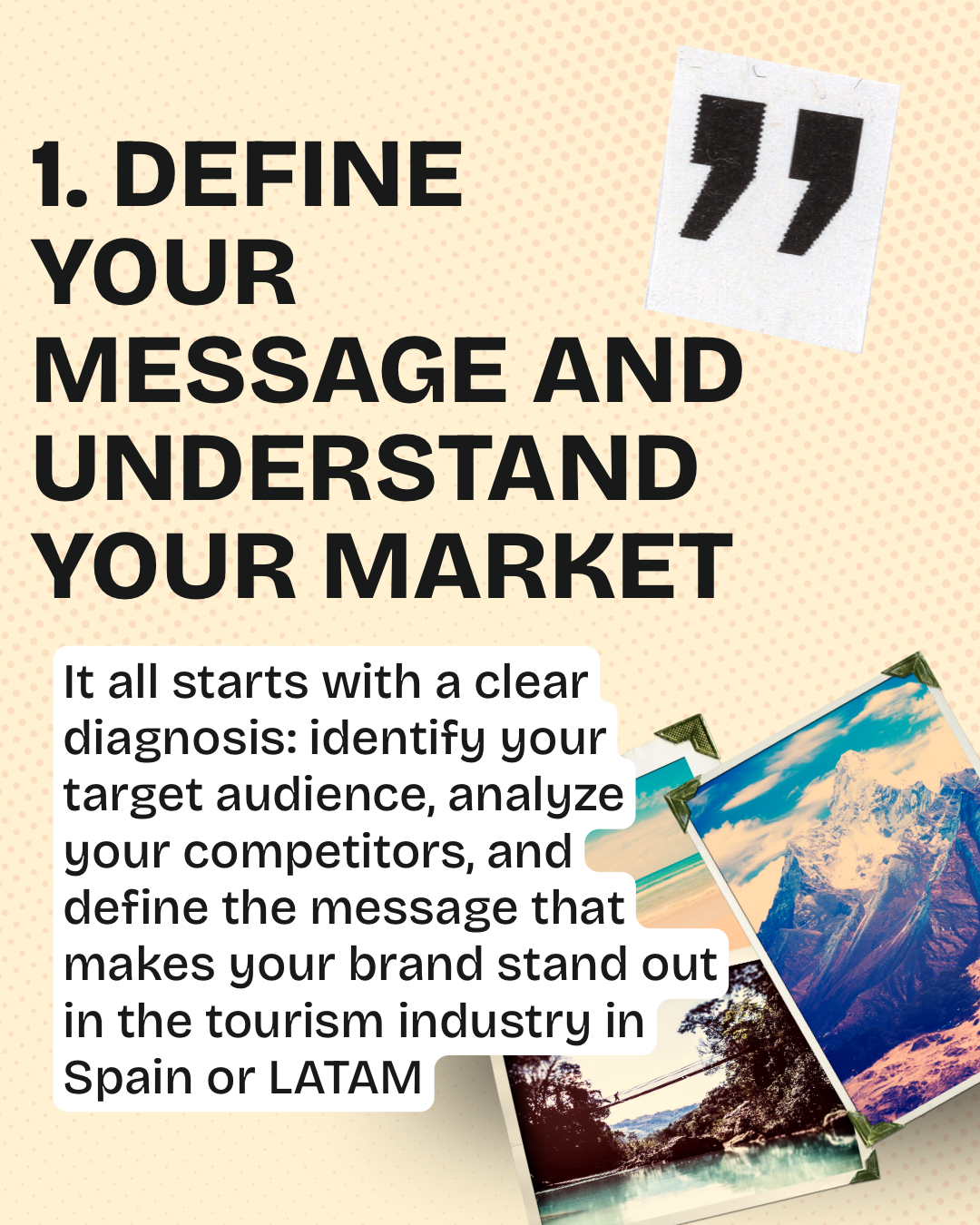
Define your message and understand your market
Everything begins with a clear diagnosis: identify your target audience, analyze the competition, and define the message that makes your tourism brand unique.
Appear in relevant sector media
Design a public relations strategy to gain visibility in specialized tourism media. Generating press mentions and articles positions your company as reliable and recognizable.
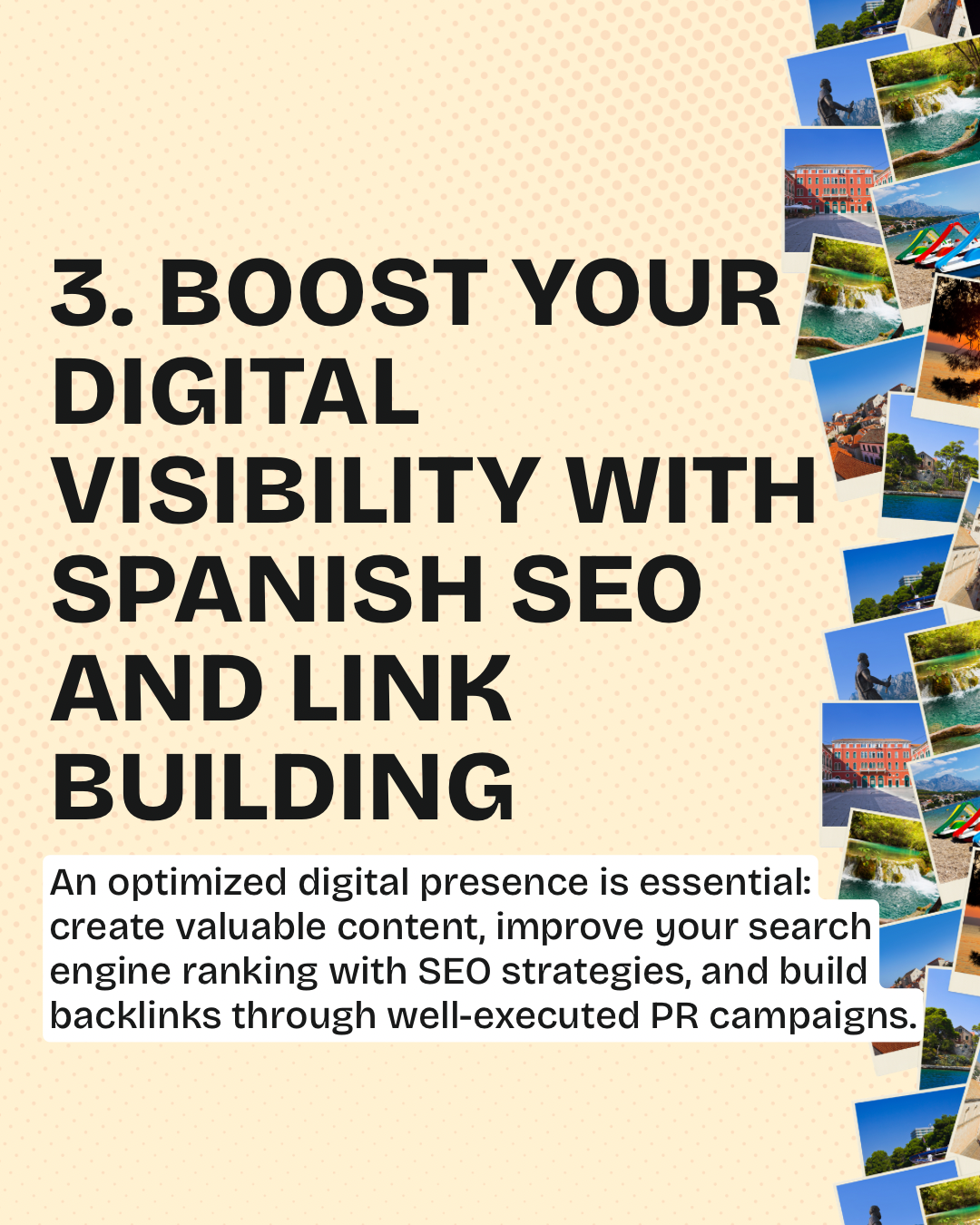
Improve your digital visibility with SEO and link-building
An optimized digital presence is key: create useful content, improve your ranking on search engines with SEO strategies, and generate backlinks through well-targeted PR campaigns.
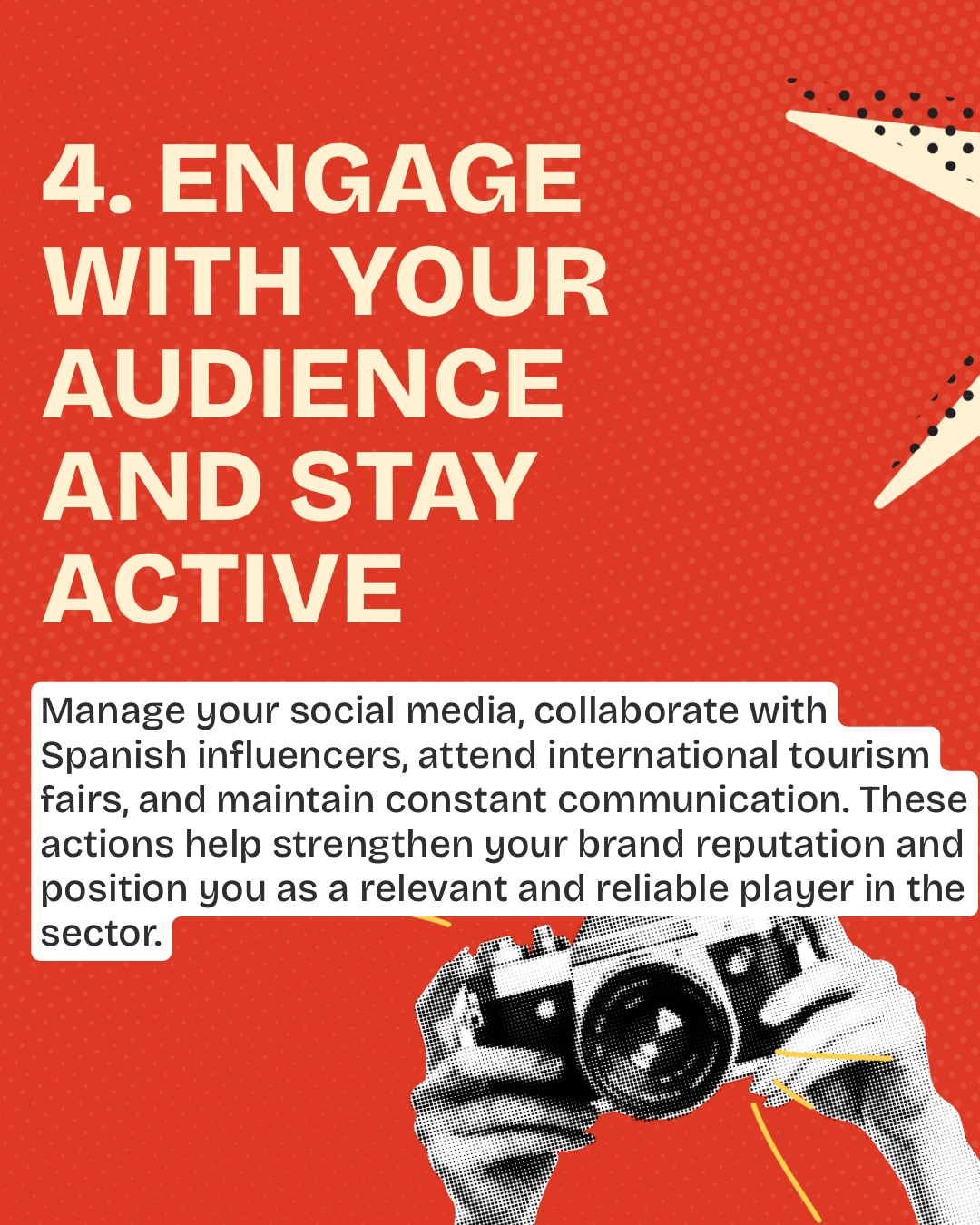
Connect with your audience and participate actively
Manage your social media, collaborate with tourism influencers, take part in international fairs, and maintain constant communication. This strengthens your reputation and builds a solid and current brand.

9. I want to distribute a press release to tourism media, how can I do it?
The first step before building a media list and distributing your message is to work on the content of your press release or study. Unfortunately, many companies send materials that are not relevant, which leads to wasted time, frustration, and the risk of being considered spam by journalists.
Secondly, maintain a constantly updated database of relevant media outlets and journalists in your sector, identifying those that genuinely connect with the brand’s target audience.
At Nativa-PR, in addition to helping you identify topics aligned with media agendas, we analyze the most relevant channels for each client and adapt the message to make it attractive for both traditional and digital media. We also manage distribution, journalist follow-ups, and impact measurement. Whether you want to distribute your release in the most widely read media in Mexico, Spain, or other Spanish-speaking countries, we can help.
This ensures that each press release is not only published but adds value and strengthens the brand’s presence in the tourism industry.
In the tourism industry, where visibility is key, having a specialized agency guarantees that your information reaches the right spaces and becomes a tool for visibility, networking, and media impact for you and your brand.
Questions and answers
Why is it important to appear in specialized tourism media?
Appearing in specialized tourism media allows brands to gain visibility before audiences genuinely interested in the sector. These spaces not only inform, but also build reputation and trust among travelers, businesses, and industry professionals. Having a PR strategy that integrates this type of visibility can make the difference between being just another company and becoming a leading reference.
How can I get tourism-specialized media to publish content about my company?
The key is offering relevant content with informational value and a professional focus. Media outlets look for authentic stories: launches, sustainable projects, innovations, or impactful collaborations.
A well-written press release accompanied by visual material and verifiable data increases publication likelihood.
You can review this blog about the importance of press releases, where we explain best practices to achieve effective media coverage in the sector.What benefits come from a visibility strategy in specialized tourism media?
Consistent visibility in tourism media builds authority, improves brand perception, and attracts new business opportunities. It also boosts SEO positioning through quality links and mentions.
When communication is strategically planned, each publication becomes a growth tool. Having specialized knowledge in digital presence helps ensure your work is not only relevant but effective.Can I send a press release to Spanish media without a long-term contract or retainer?
We offer a flexible and one-time press release distribution service for Spanish media—ideal for brands seeking visibility without monthly commitments. You only need to send us your press release, and you will receive a list of the media where it will be distributed.
No subscription or long-term contract required: you simply pay for the distribution, and we take care of everything else.
At Nativa-PR, we transform ideas into publications and brands into industry references. We help you appear in specialized tourism media and achieve the visibility your company needs to grow.
Contact us today